
For homeowners and businesses in Fleming Island, regular septic tank pumping is one of the most important steps in maintaining a healthy septic system. When solids accumulate inside the tank, they can eventually cause backups, slow drains, unpleasant odors, and costly repairs. Professional septic pumping removes accumulated waste and helps keep your system functioning properly.
Simply Septic provides dependable septic tank pumping services throughout Fleming Island and surrounding Clay County communities. Whether your tank is due for routine maintenance or you’re experiencing signs of a full tank, our team can help.
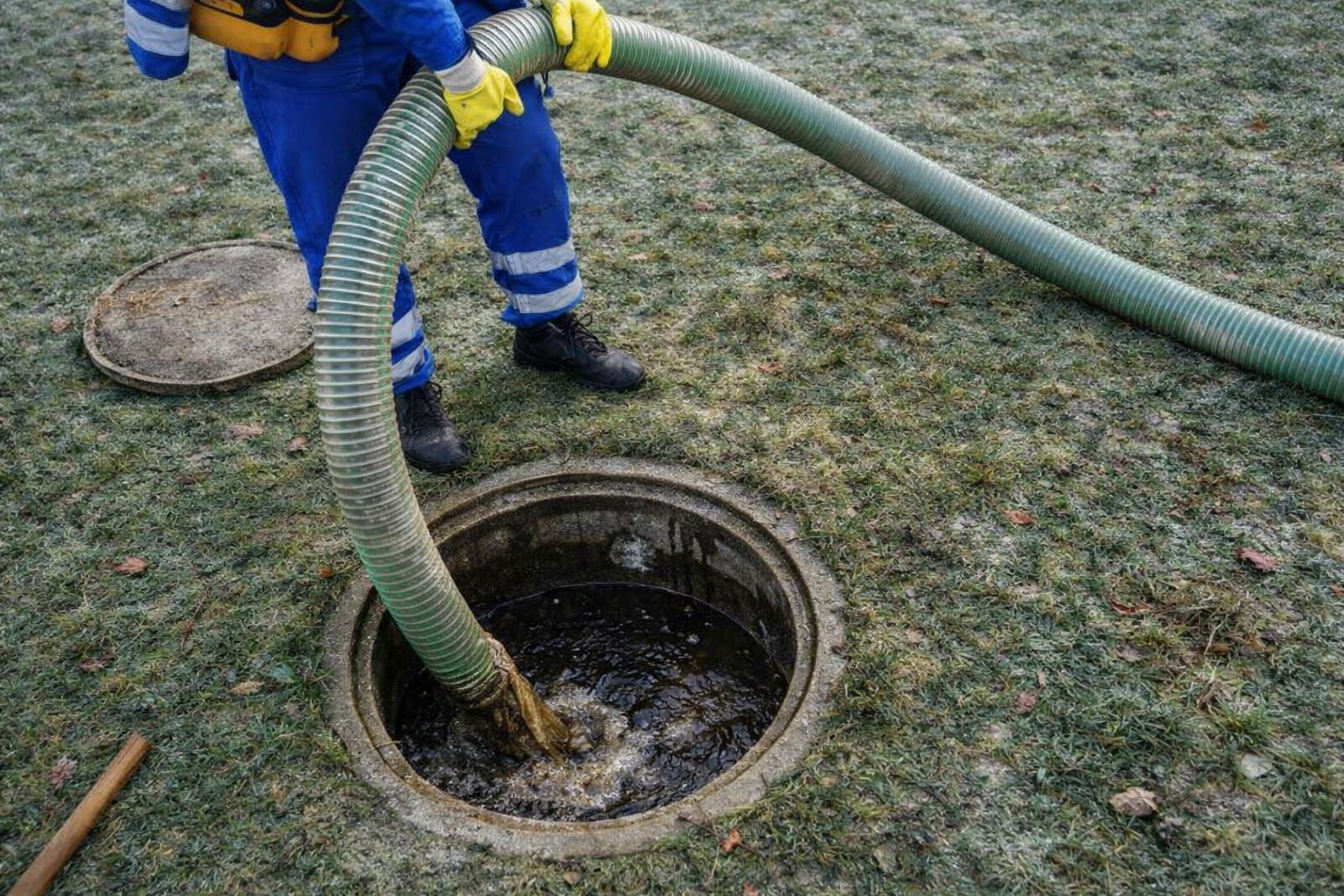
Your septic tank separates solids from wastewater before the liquid is dispersed into the drain field. Over time, sludge and scum build up inside the tank. If these materials are not removed periodically, they can enter the drain field and create significant problems.
Many Fleming Island homeowners benefit from having their septic tanks pumped every three to five years, although actual schedules vary based on household size and water usage.
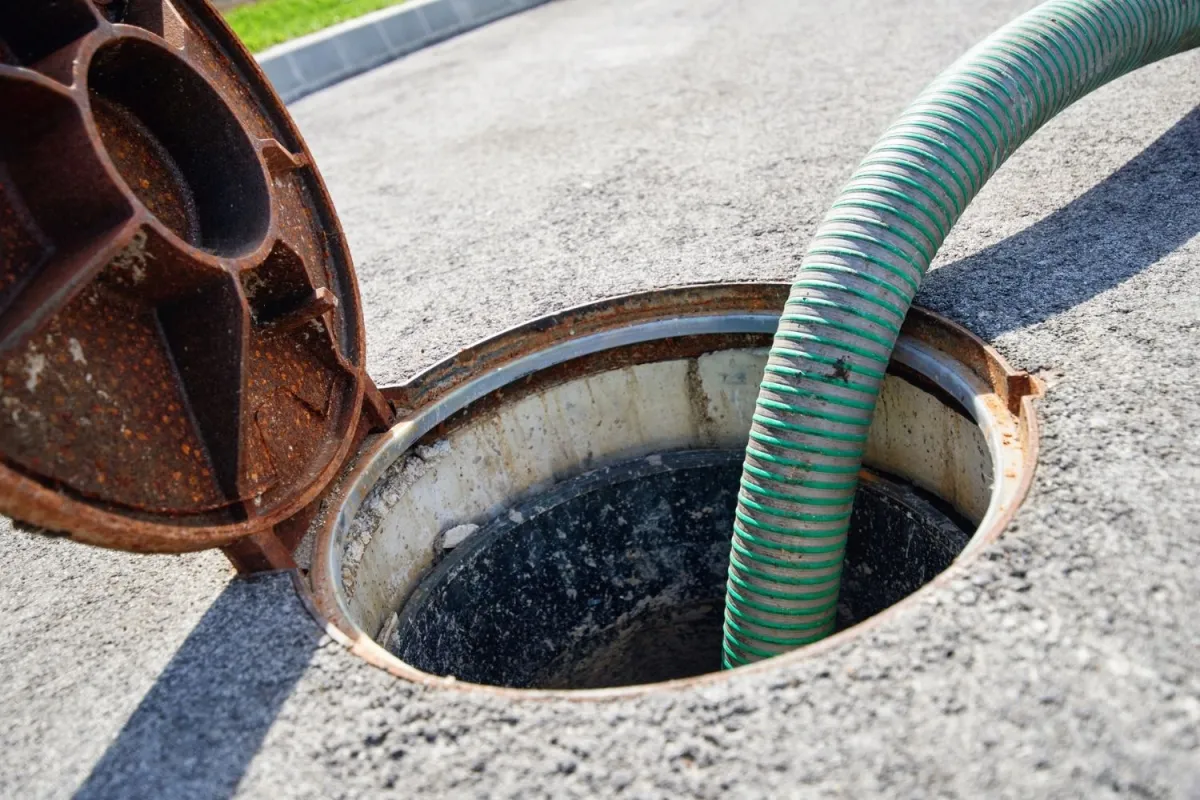
If you notice any of the following warning signs, it may be time to schedule septic pumping:
Addressing these issues early can help prevent more serious septic system failures.
Fleming Island continues to experience residential growth, with many properties relying on private septic systems rather than municipal sewer service. From established neighborhoods to newer developments, septic systems require regular maintenance to operate efficiently.
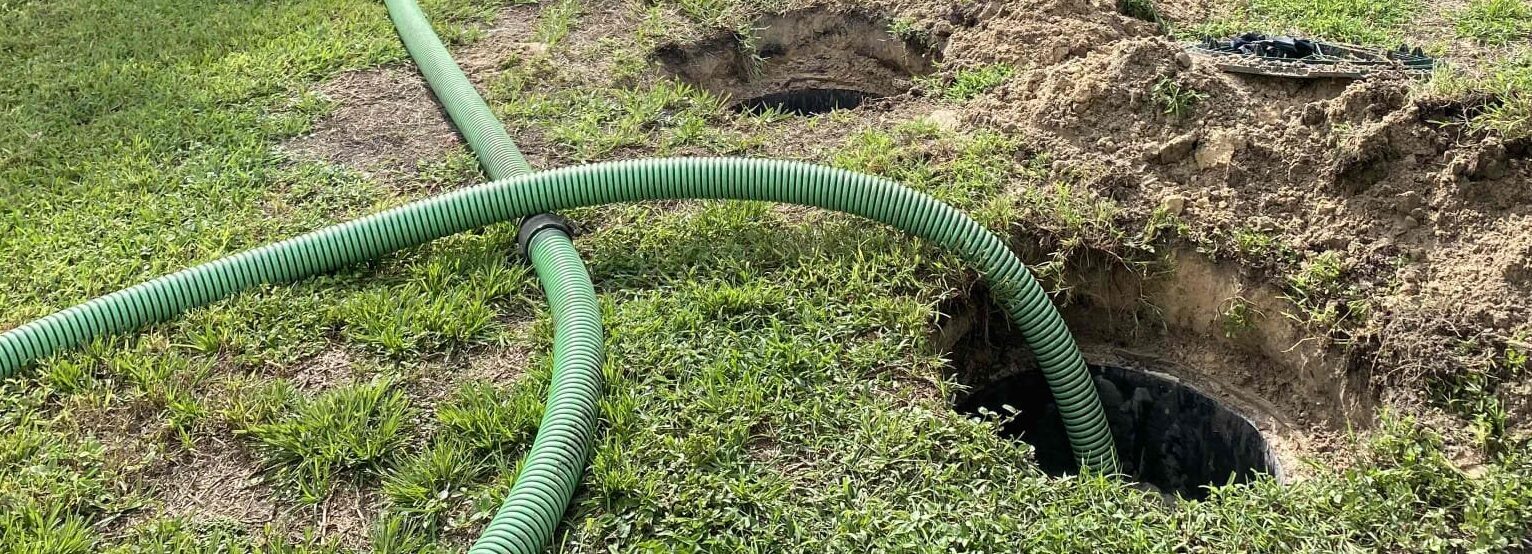
Our septic pumping service is designed to be efficient and thorough. We locate and access the septic tank, remove accumulated waste, and inspect the tank for visible issues that may require attention.
Our goal is to help property owners avoid unexpected septic emergencies while maintaining the long-term health of their systems.
If your septic tank is due for maintenance or showing signs of trouble, contact Simply Septic today. We provide professional septic tank pumping services throughout Fleming Island and surrounding areas.
Most septic systems should be pumped every three to five years. Larger households or systems with heavy usage may require more frequent service.
Routine pumping significantly reduces the risk of backups by removing solids before they accumulate to problematic levels.
Excess solids can enter the drain field, potentially leading to system failure and costly repairs.